Soccer fans, have you ever wondered why so many Dutch teams have names that don’t seem to relate to their home cities?
Let’s start with the most famous example: Ajax, the legendary club of Johan Cruyff, Marco van Basten, Zlatan Ibrahimovic, and Jari Litmanen. A multiple European Cup winner and a symbol of “Total Football,” Ajax doesn’t take its name from Amsterdam. Instead, it comes from Ajax the Great (Aias Telamonios), a hero of Greek mythology featured in Homer’s Iliad. Second only to his cousin Achilles, Ajax was the only hero in the epic Trojan War to fight and win without the help of the gods. The symbolism is clear: a strong, victorious team that succeeds on its own.
Another notable example is Sparta Rotterdam, which references the legendary Greek city-state of Sparta, Athens’ historic rival and the home of King Leonidas and his famous 300 warriors, who stood against the massive Persian army of Xerxes. This naming tradition isn’t unique to the Netherlands — think of Sparta Prague in the Czech Republic.
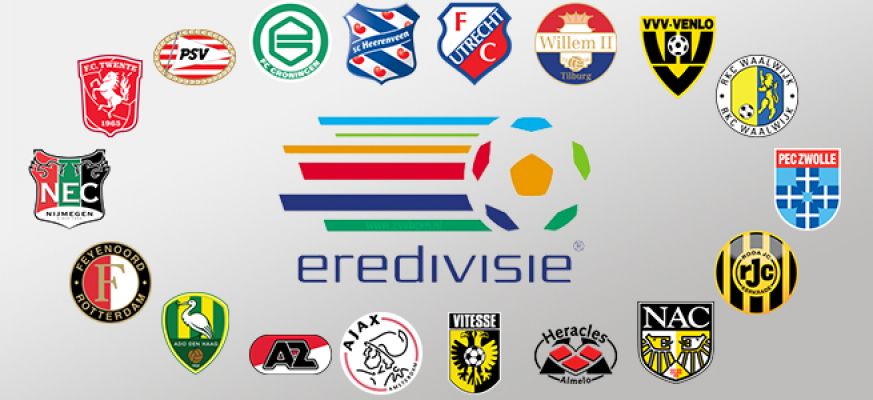
But Dutch teams don’t limit themselves to Greek mythology. There’s Heracles, named after the Latin version of Hercules. In the lower leagues, there’s even a club called Achilles ’29. In the top flight, the Eredivisie, you’ll find teams like Excelsior, a Latin term meaning “the highest” or “the best,” and Vitesse, a French word simply meaning “speed.”
So why do Dutch clubs have such cultured and unusual names? The answer lies in history and social class. Unlike many other European countries, soccer in the Netherlands didn’t begin as a working-class sport. It was initially a pastime for the upper classes and the bourgeoisie. Founding a club wasn’t just about playing soccer — it was about showing refinement, education, and sophistication. Drawing inspiration from Greek myths, Latin words, and classical culture was a way to do exactly that.
Even today, these names endure, connecting modern Dutch clubs to a rich cultural past. It’s a reminder that soccer isn’t just about passion and competition — it’s also about history and identity.