Political tensions, immigration policies, and visa concerns fuel European backlash as Germany also enters the debate over a potential World Cup boycott.
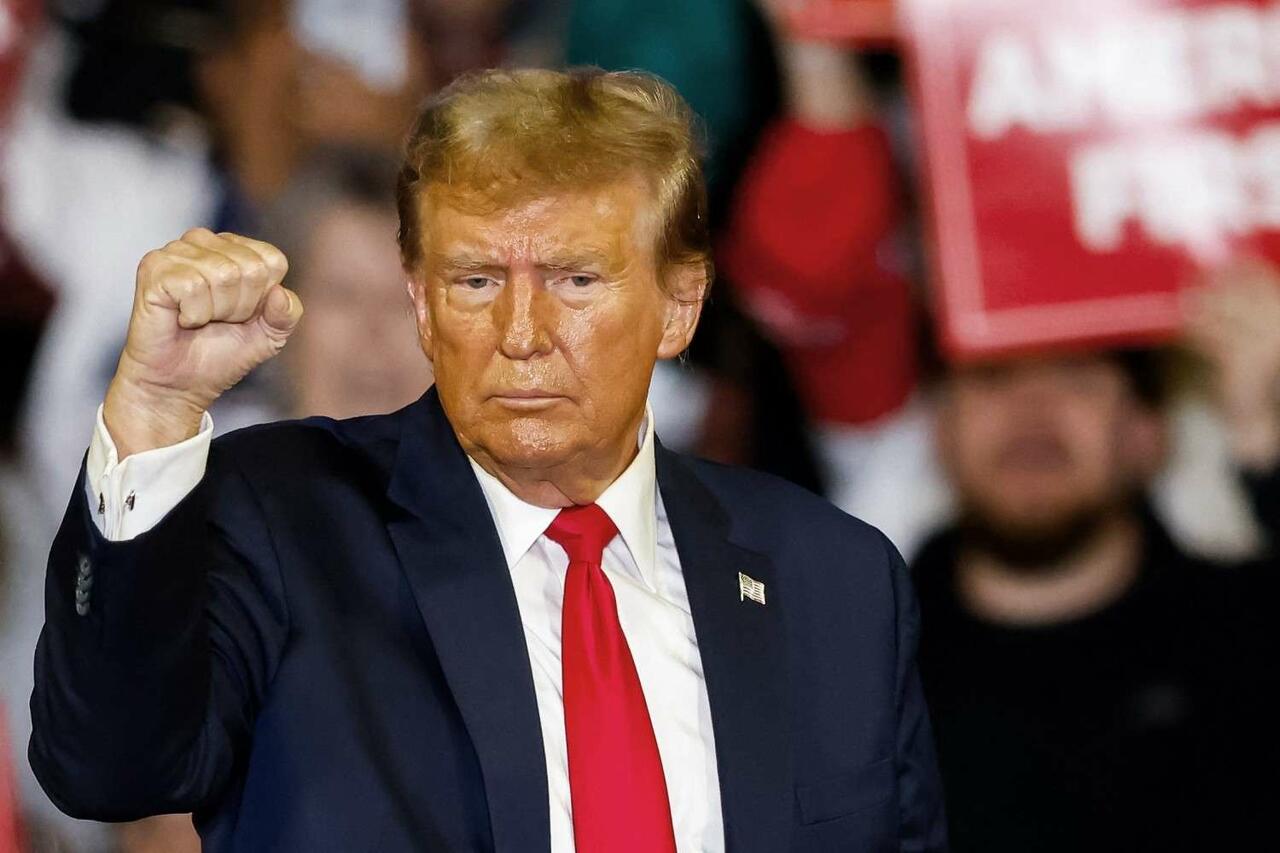
The 2026 World Cup has never looked more politically fragile. And this time, the uncertainty has nothing to do with results on the pitch — Italy’s playoff battle aside — but with growing diplomatic tensions between the United States and several European countries. Denmark and Sweden are leading a wave of criticism toward U.S. President Donald Trump, with calls to boycott the tournament gaining traction not only in the media, but also in political circles. Germany, too, is now part of the conversation.
Denmark is at the forefront of the protest. Trump’s repeated claims over Greenland, an autonomous territory within the Kingdom of Denmark, have sparked widespread outrage among the Danish public. According to a recent poll conducted by Danish outlet BT, nearly 90 percent of respondents said they would support a boycott of the World Cup if it were held in the United States under the current political climate. The issue has become a national talking point, blending football with sovereignty and foreign policy.
The debate has quickly crossed borders. In neighboring Sweden, where consumer boycotts of “Made in USA” products have already been underway in response to American tariffs and Trump’s ambiguous stance on the war in Ukraine, the idea of distancing from the U.S.-hosted World Cup is also gaining momentum. While no official stance has been taken by football authorities, public sentiment is clearly shifting.
Germany has now joined the discussion through a prominent voice in its football establishment. Oke Göttlich, vice-president of the German FA and president of St. Pauli — a club known for its anti-commercial, socially driven identity — publicly questioned whether “the time has come to seriously consider strong action.” Writing in the Hamburger Morgenpost, Göttlich echoed concerns long voiced by St. Pauli supporters, who recently urged FIFA to recognize the Greenlandic Football Federation. The move would be largely symbolic, but potentially significant as a form of diplomatic pressure against U.S. territorial claims.
The initiative has even received backing from some politicians within Germany’s CDU, though it has been halted at the federal level by German FA president Bernd Neuendorf. This is notable given Neuendorf’s previous support for Germany’s protests over human rights issues during the Qatar World Cup, highlighting the delicate balance between principle and pragmatism.
Beyond politics, security and immigration policies are adding further uncertainty. Recent images from Minneapolis, where thousands of ICE agents were deployed in a large-scale anti-immigration operation ordered by Trump, have raised alarms across Europe. Concerns are mounting over how the U.S. government will handle the massive influx of international fans expected for the World Cup.
In recent months, Washington has suspended or denied tourist visas to citizens of several countries, including some that have already qualified for the tournament. Iran is a notable case, with internal unrest and international sanctions complicating the picture even further. Questions also remain about how FIFA’s proposed “FIFA Pass” — intended to ease entry for ticket-holding fans regardless of nationality — would actually be implemented under strict U.S. immigration rules.
Taken together, the tense international climate, domestic unrest in the United States, and unresolved visa policies risk undermining the World Cup’s core values of openness and global unity. What began as a political dispute has now spilled into the football world, and the idea of a boycott — once unthinkable — is steadily gaining ground across Europe.