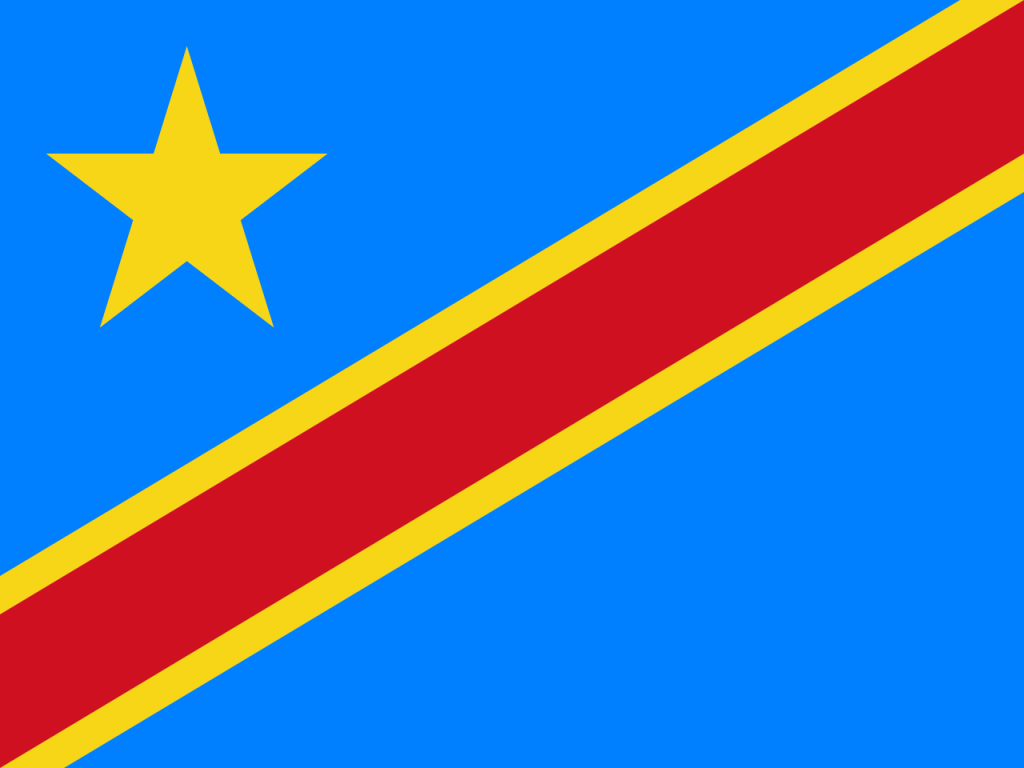
The Leopards Return After More Than 50 Years
DR CONGO
The Leopards are back at the FIFA World Cup for the first time since 1974.
Head Coach
Sébastien Desabre has transformed DR Congo into one of Africa’s most resilient teams. After reaching the AFCON semi-finals, he guided the Leopards back to the World Cup after more than five decades away.
World Cup Group
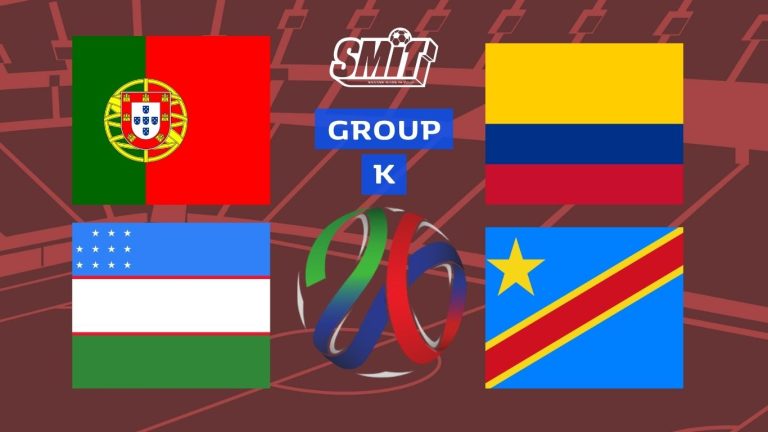
June 17: Portugal vs DR Congo — Houston Stadium
June 23: Colombia vs DR Congo — Guadalajara Stadium
June 27: DR Congo vs Uzbekistan — Atlanta Stadium
World Cup History
DR Congo will make its second World Cup appearance. Its first came in 1974, when the country competed as Zaire.
A Long-Awaited Return
More than 50 years after their only previous appearance, DR Congo is finally back at the FIFA World Cup. The Leopards secured their place through the FIFA Play-Off Tournament, defeating Jamaica 1-0 after extra time in Guadalajara.
Led by Chancel Mbemba, Cédric Bakambu and Arthur Masuaku, DR Congo arrives in North America with a talented and experienced generation ready to create history.
DR Congo World Cup Facts
- Confederation: CAF
- World Cup Appearances: 2
- Previous Appearance: 1974, as Zaire
- Best Result: Group Stage
- All-Time World Cup Record: 3 matches, 0 wins, 0 goals scored
- 2026 Qualification: FIFA Play-Off Tournament winner
Players To Watch
Chancel Mbemba
The captain and defensive leader, decisive during the African play-offs.
Cédric Bakambu
An experienced striker who brings movement, finishing and leadership.
Yoane Wissa
A dangerous forward capable of attacking space and changing games.
DR Congo’s World Cup Story
DR Congo’s only previous World Cup appearance came in 1974, when the country competed as Zaire. The team lost all three group-stage matches against Scotland, Yugoslavia and Brazil, failing to score.
That means the 2026 generation has a historic opportunity: to score the country’s first-ever World Cup goal and chase its first victory on the global stage.
DR CONGO
Goalkeepers
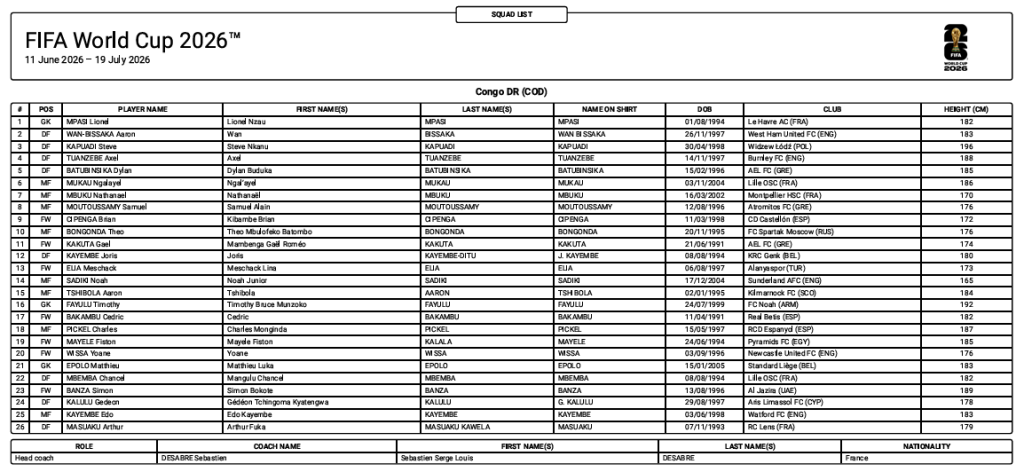
#1 Lionel Mpasi (Le Havre AC, France) – 182 cm
#21 Matthieu Epolo (Standard Liège, Belgium) – 183 cm
#16 Timothy Fayulu (FC Noah, Armenia) – 192 cm
Defenders
#2 Aaron Wan-Bissaka (West Ham United FC, England) – 183 cm
#3 Steve Kapuadi (Widzew Łódź, Poland) – 196 cm
#4 Axel Tuanzebe (Burnley FC, England) – 188 cm
#5 Dylan Batubinsika (AE Larisa FC, Greece) – 185 cm
#12 Joris Kayembe (KRC Genk, Belgium) – 180 cm
#22 Chancel Mbemba (Lille OSC, France) – 182 cm
#24 Gédéon Kalulu (Aris Limassol FC, Cyprus) – 178 cm
#26 Arthur Masuaku (RC Lens, France) – 179 cm
#25 Edo Kayembe (Watford FC, England) – 183 cm
Midfielders
#6 Ngal’Ayel Mukau (Lille OSC, France) – 186 cm
#7 Samuel Moutoussamy (Atromitos FC, Greece) – 176 cm
#11 Gaël Kakuta (AE Larisa FC, Greece) – 174 cm
#14 Noah Sadiki (Sunderland AFC, England) – 165 cm
#18 Charles Pickel (RCD Espanyol, Spain) – 187 cm
#25 Edo Kayembe (Watford FC, England) – 183 cm
Forwards
#8 Brian Cipenga (CD Castellón, Spain) – 172 cm
#9 Théo Bongonda (FC Spartak Moscow, Russia) – 176 cm
#10 Nathanaël Mbuku (Montpellier HSC, France) – 170 cm
#13 Meschack Elia (Alanyaspor, Türkiye) – 173 cm
#17 Cédric Bakambu (Real Betis, Spain) – 182 cm
#19 Fiston Mayele (Pyramids FC, Egypt) – 185 cm
#20 Yoane Wissa (Newcastle United FC, England) – 176 cm
#23 Simon Banza (Al Jazira Club, United Arab Emirates) – 189 cm
Head Coach
Sébastien Desabre (France)